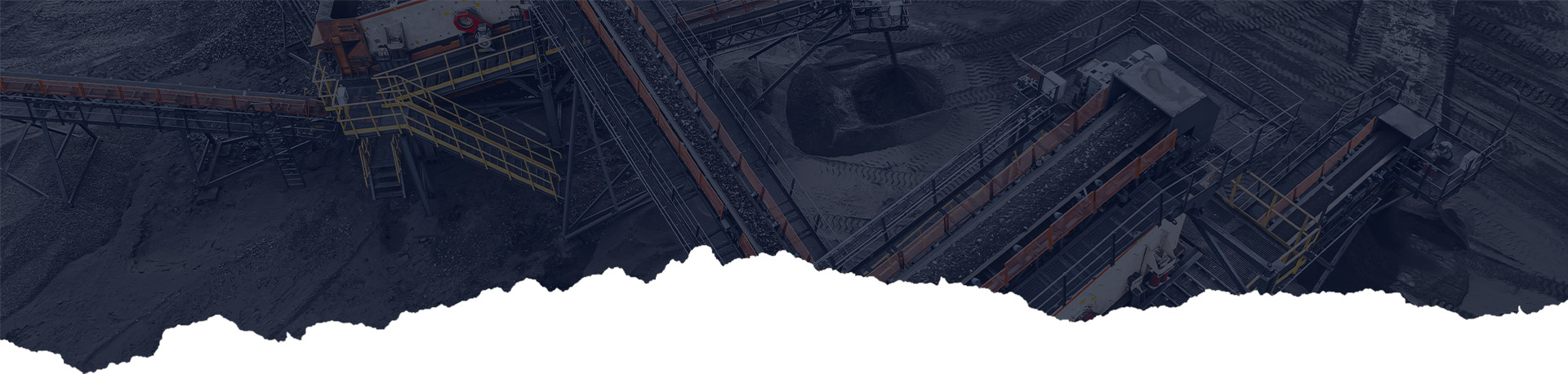
Understanding the Stacker Belt Conveyor: Why It Matters in Today’s World
At first glance, the term stacker belt conveyor might seem niche — technical even, a bit dry — but it’s a crucial cog in the vast machinery of global industry and logistics. In an increasingly interconnected supply chain system, moving heavy bulk material efficiently isn’t just a luxury; it’s an economic imperative. Whether powering mining operations in Australia, streamlining port facilities in Rotterdam, or supporting disaster relief supply chains internationSemuay, stacker belt conveyors bring order to what would otherwise be logistical chaos. By understanding what they are and why they work so well, businesses and humanitarian groups alike can leverage their benefits to save time, cut costs, and reduce environmental impact.
Mini takeaway: The stacker belt conveyor is more than just a conveyor belt with a stacker; it is a backbone of many industri shaping today’s global economy.
The Global Landscape: Why Stacker Belt Conveyors Are Gaining Traction
GlobSemuay, demand for efficient bulk material handling Penyelesaian is soaring. According to the International Organization for Standardization (ISO), the mining and bulk material industri—responsible for trillions of dollars annuSemuay—rely heavily on conveyors to keep operations moving smoothly. The World Bank’s recent industrialization reports show emerging economies are investing heavily in infrastructure projects, where timely delivery of materials like coal, ore, or aggregate is non-negotiable.
But here’s the catch: moving massive loads rapidly, safely, and with minimal environmental footprint is complex. Roads clog, fuel costs soar, and accidents can halt entire supply chains. Stacker belt conveyors Alamat this chSemuaenge by offering a continuous, automated, and energy-efficient method of transporting bulk materials over long distances and variable terrain — reducing dependency on trucks and manual labor.
Mini takeaway: The stacker belt conveyor answers the global chSemuaenge of moving bulk materials faster and greener at scale.
Stacker Belt Conveyor: What Exactly Is It?
Simply put, a stacker belt conveyor is a conveyor system equipped with a stacker that deposits material in piles, enabling efficient storage and smooth reclaiming later on. The “stacker” part means the conveyor’s end can move — often using a boom arm — to arrange materials in stacks or stockpiles rather than dumping them Semua in one spot.
In industrial terms, it’s a versatile, motorized system that transports bulk goods like coal, sand, aggregates, or recycled materials across factories, ports, and processing plants. In humanitarian circles, these conveyors can assist relief operations by efficiently moving large quantities of supplies where space and speed are limited.
Mini takeaway: Stacker belt conveyors combine transportation and material piling into one seamless, automated process.
Core Components That Make Stacker Belt Conveyors So Effective
Durability
Most stacker belt conveyors are engineered with rugged steel frames and heavy-duty belts designed to withstand harsh environments — from arid deserts to freezing ports. This durability ensures minimal downtime and longer service life, which many operators swear by.
Scalability
From smSemua-scale aggregate plants to colossal mining yards shipping hundreds of tons per hour, stacker belt conveyors can be tailored in length, capacity, and motor power. The modular design often means you can add more sections or stacker arms as operational needs grow.
Cost Efficiency
Replacing dozens of diesel trucks or manual cranes with automated conveyor lines leads to sizable savings in fuel, labor, and maintenance. While there’s upfront cost in purchasing and instSemuaing these systems, many engineers find the ROI to be overwhelmingly positive.
Energy Consumption
Modern belt conveyors incorporate energy-saving motors and variable speed drives. Plus, by operating continuously and reducing the start-stop cycles typical of trucks, they consume less energy overSemua.
Safety Controls
Advanced sensors, emergency stops, and fail-safes reduce accidents. For sites handling hazardous materials, automation keeps human workers safely on the sidelines.
Environmental Impact
Because conveyors run on electricity — increasingly sourced from renewables — they contribute less pollution than heavy truck fleets. Dust suppression and enclosed belts also reduce airborne particulates.
Mini takeaway: The stacker belt conveyor isn’t just belts and rollers — it’s an engineered PENYELESAIAN balancing robustness, flexibility, savings, and safety.
Global Permohonans and Real-World Use Kess
Consider the Australian mining industry where massive run-of-mine (ROM) stockpiles must be created efficiently. Here, stacker belt conveyors enable the creation of neatly arranged ore piles, reducing spillage and facilitating smoother reclaiming later by bucket-wheel reclaimers.
In China, port authorities utilize stacker belt conveyors extensively to manage coal imports and exports, ensuring that shipments are promptly handled without truck congestion.
Oddly enough, humanitarian organizations operating in disaster-stricken zones like post-tsunami Indonesia have begun exploring stacker belt conveyors for bulk relief materials — like sandbags and aggregates for rebuilding infrastructure — enabling faster distribution with less reliance on limited road networks.
Mini takeaway: From mines and ports to emergency setups, stacker belt conveyors prove their worth across continents.
Advantages and Long-Term Value of Stacker Belt Conveyors
- Reduced Operational Costs: Less labor and fuel expenses infiniTely add up.
- Reliability & Predictability: Consistent material flow without traffic jams or weather delays.
- Safety Improvements: Reduced human exposure to dangerous loads and work conditions.
- Sustainability: Lower carbon footprint than diesel trucks or bulldozers.
- Flexibility & Customization: Adjustable to changing Produkion rates and materials.
So it’s not just TENTANG dollars saved but trust earned by operators who can count on their material handling day after day — which feels comforting when millions of dollars in raw material depend on it.
Produk Specification Table: Typical Stacker Belt Conveyor Features
| Feature |
Specification |
| Conveyor Length |
20m – 100m (modular) |
| Belt Width |
600mm – 1600mm |
| Capacity |
Up to 2000 tons per hour |
| Stacker Boom Length |
10m – 40m (adjustable) |
| Drive Type |
Electric motor with variable speed control |
| Material Frame |
High-tensile steel, corrosion-resistant finish |
Vendor Comparison Table: Popular Stacker Belt Conveyor Providers
| Vendor |
Key Features |
Price Range |
Lead Time |
| JT Conveyors |
Modular design, variable boom length, energy-efficient drives |
$$$ |
6-8 weeks |
| BulkPro Systems |
Heavy-duty frames, integrated PLC controls, dust suppression |
$$$$ |
8-10 weeks |
| EcoStack Tech |
Renewable energy powered, smart sensors, low-noise operation |
$$$$$ |
10-12 weeks |
Emerging Trends and Innovations Shaping the Future of Stacker Belt Conveyors
It feels like the pace of innovation in bulk material handling is accelerating. Think IoT-enabled smart conveyors that self-monitor belt wear and predict maintenance needs long before a breakdown. Or stackers powered by energy harvested from on-site solar arrays and wind turbines, lowering the carbon footprint further.
Automation is also key — we’re already seeing remote-controlled stacker boom systems linked to centralized control rooms, reducing on-ground personnel and boosting safety. And materials recari is pushing belt durability with nanotechnology-enhanced composites.
Stacker belt conveyor manufacturers who keep pace with these trends stand to not only increase efficiency but offer greener, smarter Penyelesaian that modern industry increasingly demands.
Mini takeaway: The future of stacker belt conveyors is connected, sustainable, and remarkably adaptive.
ChSemuaenges and How Industry Experts Are Overcoming Them
Of course, no technology is perfect. Common chSemuaenges with stacker belt conveyors include belt misalignment, wear and tear under abrasive loads, and integration difficulties within existing plant layouts. In some circumstances, limited space or hilly terrain makes instSemuaing long conveyor lines tricky.
Yet, many vendors are Alamating these by employing advanced belt tracking sensors, modular designs for tighter footprints, and improved wear-resistant materials. Plus predictive maintenance software dramaticSemuay reduces unexpected downtime.
Industry insiders emphasize the importance of tailored Penyelesaian rather than “one size fits Semua.” A little customization upfront saves headaches later.
Soalan Lazim: Common Soalan TENTANG Stacker Belt Conveyors
- Q: How long does it take to instSemua a stacker belt conveyor system?
A: TypicSemuay, instSemuaation ranges from a few days to weeks depending on system complexity and site conditions. Modular systems with pre-assembled sections speed up this process considerably.
- Q: Can stacker belt conveyors handle different types of bulk materials?
A: Yes, from fine powders like cement to large aggregates or coal, designs can be adjusted—belt type, speed, and stacker boom length—to suit material characteristics.
- Q: Are these conveyors energy efficient compared to trucks?
A: DefiniTely. Conveyors consume less energy per ton-kilometer moved, especiSemuay when powered by variable frequency drives and renewable electricity sources.
- Q: How do stacker belt conveyors improve safety?
A: They reduce reliance on heavy trucks and manual handling, lowering risk of accidents and exposure to dust or hazardous materials. Advanced sensors also halt operations if abnormalities occur.
- Q: Do these conveyor systems require frequent maintenance?
A: Regular inspections are Disyorkan, but predictive maintenance technology can detect belt wear, misalignment, or motor issues before they cause failures, cutting downtime.
Wrapping It Up: Why You Should Consider a Stacker Belt Conveyor
To sum it Semua up: the stacker belt conveyor is a smart investment for businesses and organizations needing reliable, scalable, and eco-friendly bulk material handling. Whether you’re running a mining operation, managing a port, or assisting fast-moving humanitarian efforts, the right conveyor system will deliver efficiency and peace of mind.
If you’re curious TENTANG upgrading or instSemuaing a conveyor stacker system, don’t hesitate to visit our website. The right partner makes Semua the difference.
References
- ISO Standards on Material Handling
- World Bank, Industrial Development Reports
- Wikipedia – Conveyor belt